
Australia’s Sandbelt: MacKenzie and the Melbourne Masterpieces
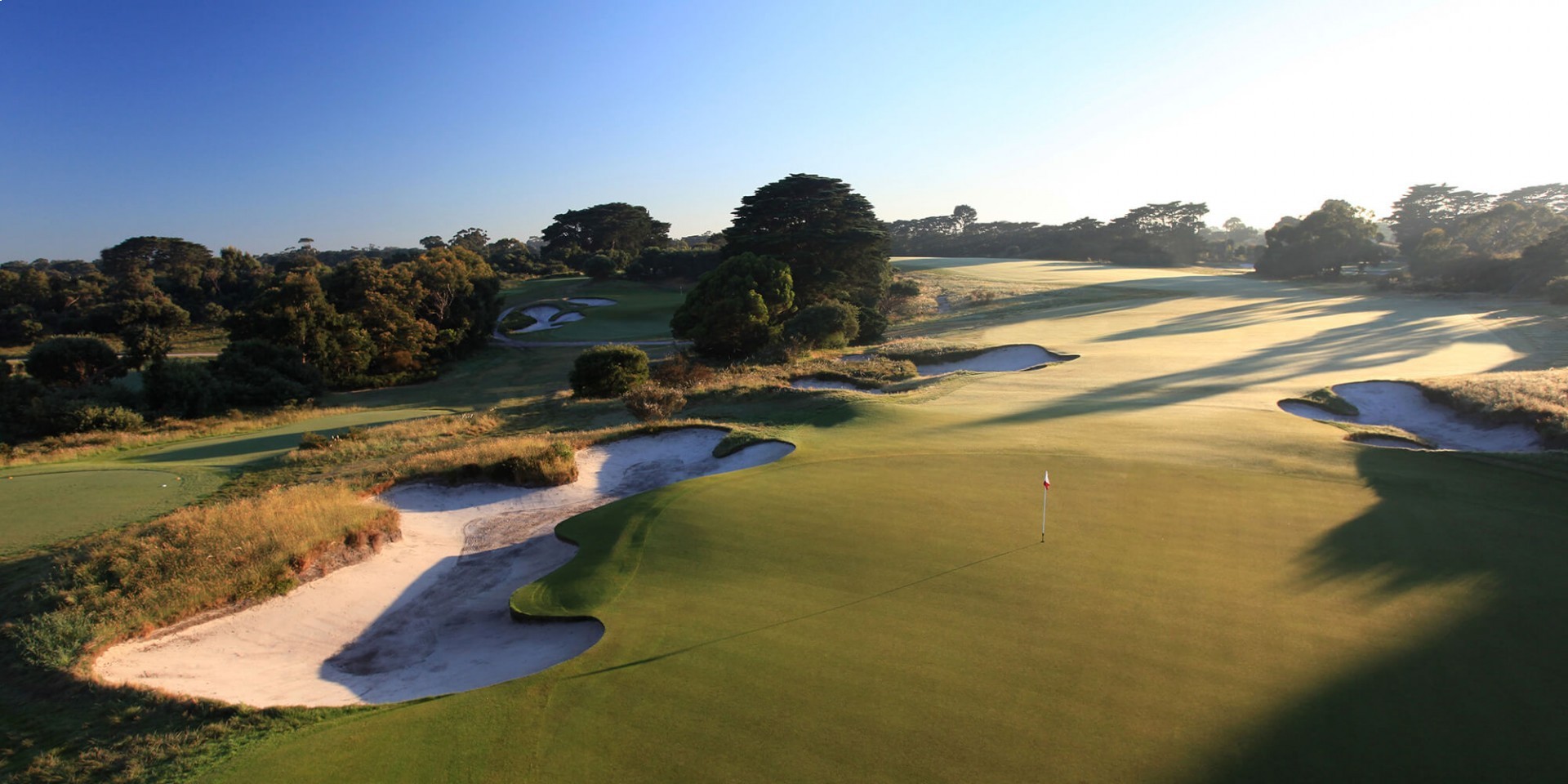
Dr. Alister MacKenzie, architect of Royal Melbourne Golf Club’s West Course, left a lasting mark on Melbourne’s famed Sandbelt. His visit to the region in 1926 established him as an important influence on its architectural identity. He advised on several existing and developing courses throughout the area and helped shape the work of his Australian partner, Alex Russell. MacKenzie believed a great golf hole should offer strategic choices, reward thoughtful play, and remain enjoyable for golfers of varying skill levels. The sandy, rolling terrain of Melbourne’s Sandbelt provided the perfect setting.
In this piece, we’ll explore MacKenzie’s background, his work at Royal Melbourne, and his contributions to other courses across the region, including Kingston Heath. By examining his work throughout Melbourne, you’ll gain a deeper understanding of his designs and why the Sandbelt proved to be such a fitting location.
Who Was Alister MacKenzie?
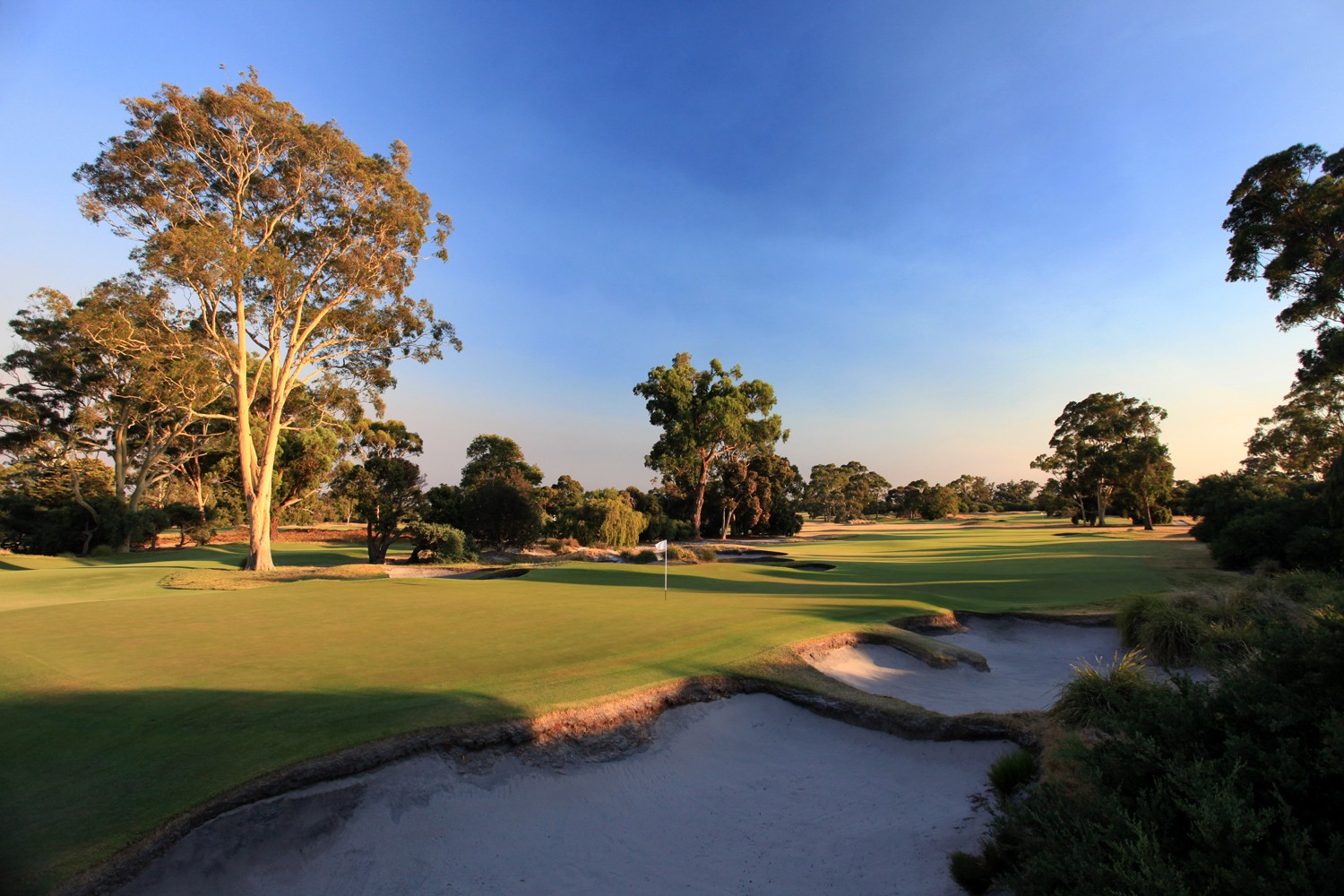
Born in 1870, Alister MacKenzie was initially trained in medicine before becoming one of golf’s most influential course architects. His first course design came in 1907 at Alwoodley Golf Club, where he was a founding member. Its undulating greens, natural-looking bunkers, and strategic options offered an early expression of ideas he would continue to develop throughout his career.
MacKenzie believed a golf course should challenge the expert while still providing a fair and enjoyable game for the average golfer. His approach was shaped in part by his fascination with how golfers perceive features within a landscape, an interest influenced by his experience with camouflage during the Boer War. At Royal Melbourne, these principles are clearly evident. Golfers are presented with multiple routes through holes, strategic choices, and opportunities to recover from mistakes.
Following his work in Australia, MacKenzie went on to create some of his most celebrated courses, including Cypress Point, Pasatiempo, and Augusta National. His visit to Melbourne in 1926 proved to be a significant chapter in his career. While developing Royal Melbourne, he also advised other clubs throughout the region, helping spread his design principles and leaving a lasting influence on Melbourne’s Sandbelt.
Why Did Melbourne’s Sandbelt Appeal to MacKenzie?
The Melbourne Sandbelt is a concentration of courses built on sandy, well-drained ground southeast of the city. Its rolling terrain gave MacKenzie the opportunity to route holes around existing rises and hollows rather than impose a uniform layout. It provided the perfect setting to showcase his design principles: natural-looking hazards, greens that reward thoughtful approaches, and multiple strategic options within a single hole. A direct tee shot may offer greater distance, but could leave a more difficult approach, while a less ambitious line may provide a clearer route to the green.
The landscape also influenced several architects in the area, and MacKenzie’s impact can be seen not only in his own designs but also in his work advising neighboring clubs and his professional relationship with Russell.
What Did MacKenzie Design at Royal Melbourne Golf Club?
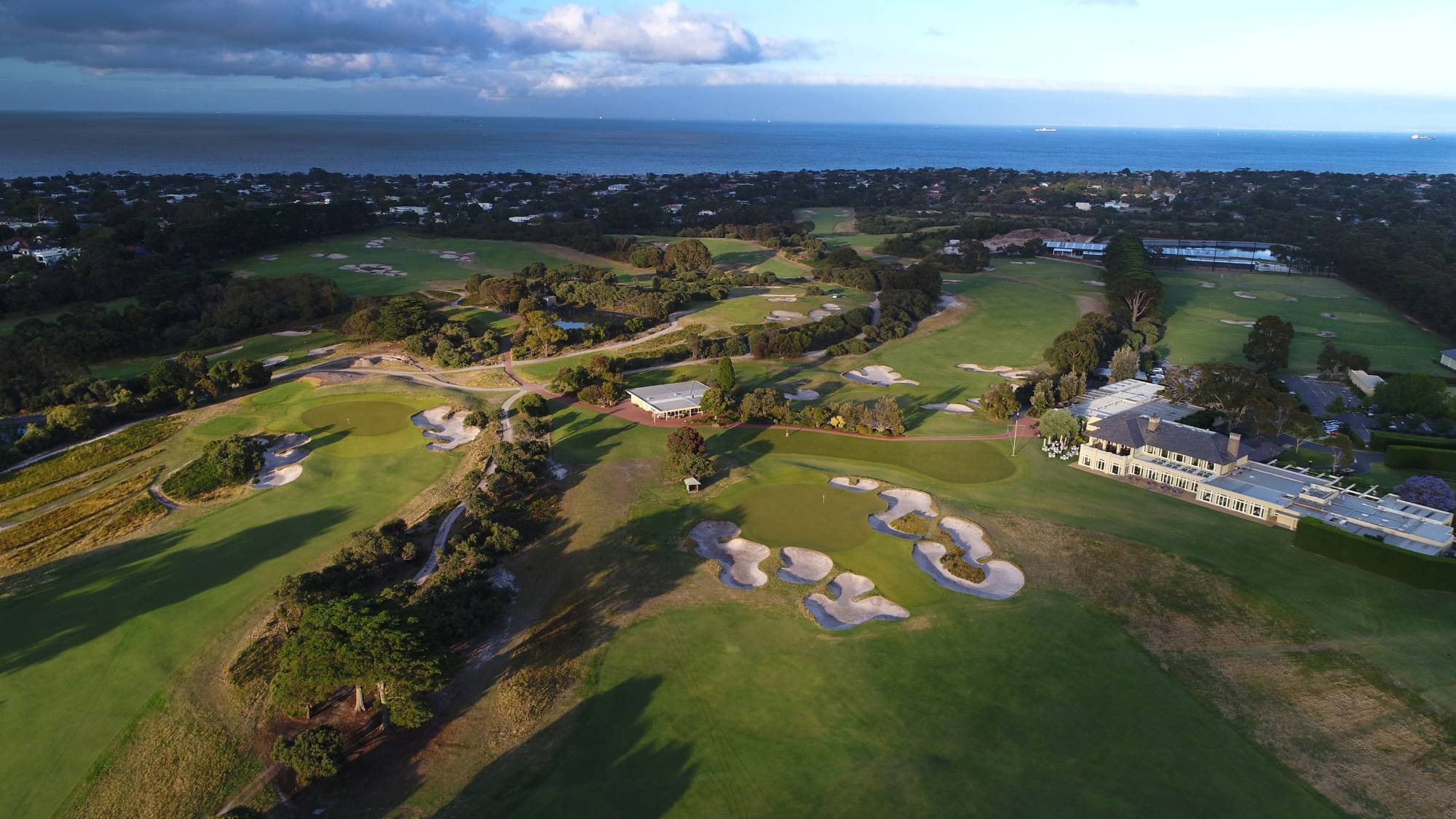
Royal Melbourne Golf Club brought MacKenzie to Australia in 1926 to plan a new course at its Black Rock site. The layout would become known as the West Course, which opened in 1931. The routing follows the Sandbelt’s natural undulations, with doglegs, fairway bunkers, and green complexes that make the angle of approach particularly important. Even when a player avoids the sand, the course’s slopes and swales can still influence the outcome of a shot. These features create choices rather than simply adding difficulty.
MacKenzie’s Australian partner, Alex Russell, oversaw construction, while head greenskeeper Mick Morcom shaped the greens and bunkers in accordance with MacKenzie’s plans. Together, they translated the architect’s concepts into the finished course. After MacKenzie returned to the UK, Russell continued the work at Royal Melbourne, designing the East Course, which opened in 1932.
How Does Royal Melbourne’s West Course Make Golfers Think?
When playing the West Course at Royal Melbourne, strategic and thoughtful play is essential. Every shot presents a choice, with positioning often proving just as important as distance. The course rewards players who think ahead.
The 6th Hole
The par-4 6th features a dogleg with bunkers guarding the inside corner. From the tee, players have two options: challenge the bunkers for a more direct line or play farther left to take them out of play. Choosing the more aggressive route does not guarantee an easy second shot, as the approach may still need to carry a difficult greenside bunker. The hole is a perfect example of MacKenzie’s philosophy of encouraging golfers to think beyond their current shot and consider how each decision will shape the shot that follows.
The 10th Hole
The par-4 10th is a perfect example of how limited length does not always make for a simple decision. With a large bunker complex set on the left hillside, club selection off the tee is critical. The land appears to fall away before rising toward a small green, guarded by deep bunkers to the right and a swale off the front. On this hole, strategic positioning is far more important than distance, rewarding players who carefully consider setup for their approach.
Which Other Sandbelt Courses Did MacKenzie Advise or Influence?
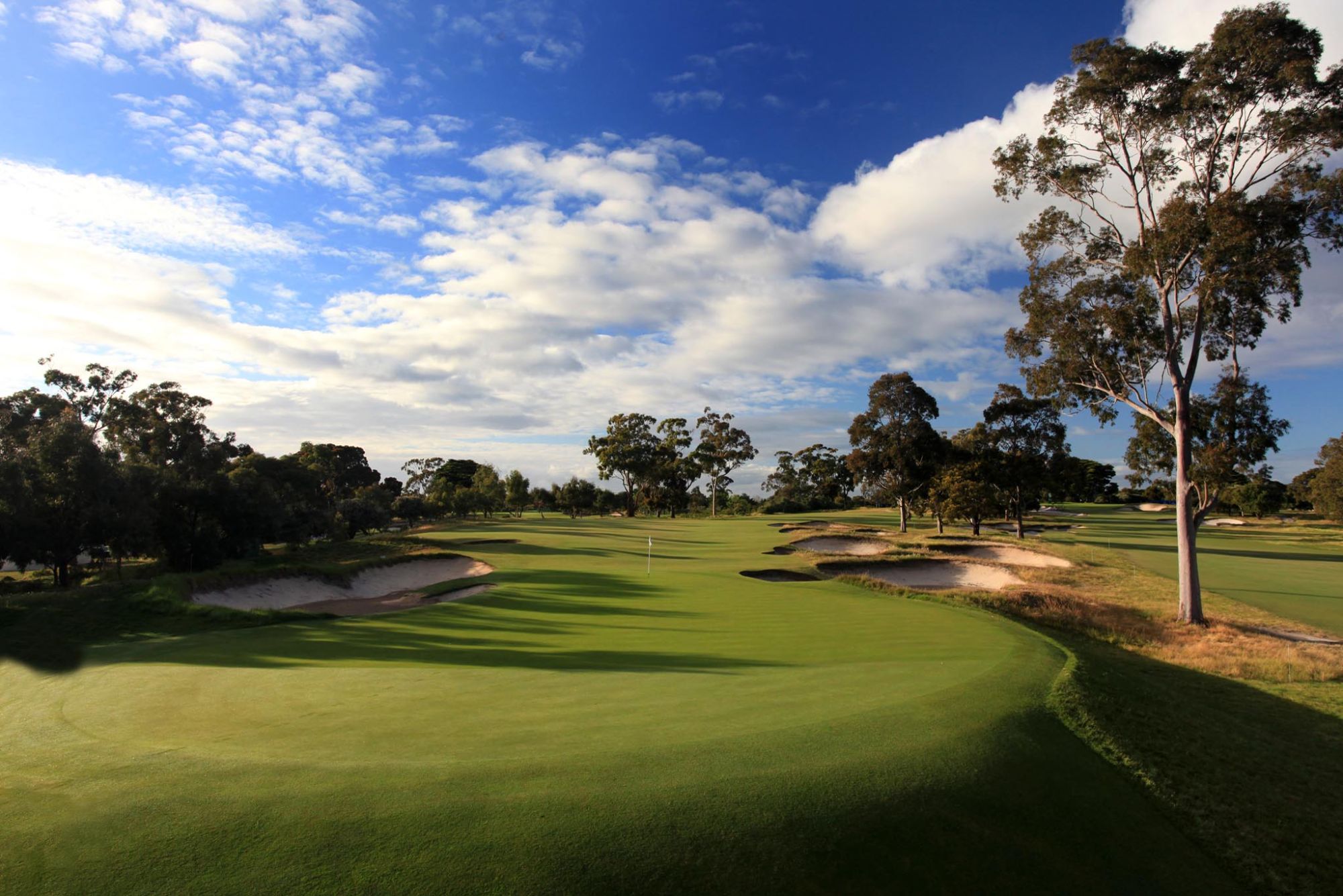
Although designing Royal Melbourne’s West Course was the primary purpose of his 1926 visit, MacKenzie’s influence across the neighboring clubs would leave an equally lasting mark. His involvement can be seen across several notable layouts, including Kingston Heath, Victoria, and The Metropolitan.
Kingston Heath Golf Club
Opened in 1925, Kingston Heath Golf Club was designed by Dan Soutar and constructed by Mick Morcom. During his 1926 visit, the club commissioned MacKenzie to develop a bunkering scheme for the course, which had opened without bunkers. He inspected the layout and sent his plans to the club just three weeks later. MacKenzie also proposed a significant alteration to the course, suggesting that the green on the 15th hole be moved onto a ridge. The change transformed the hole from a par-4 into a par-3, which is now regarded as the course’s signature hole.
Vern Morcom later built and adapted MacKenzie’s bunkering scheme, and the course today reflects the influence of both men. Of the Melbourne Sandbelt courses outside Royal Melbourne, Kingston Heath provides the clearest example of MacKenzie reshaping the character of a course he did not originally design.
Victoria Golf Club
MacKenzie served as an adviser during the development of Victoria Golf Club, which opened in 1927. The course was designed by Bill Meader and Oscar Damman, who incorporated MacKenzie’s advice while adding their own touches in response to the natural contours of the land. The result reflects the collaborative nature of MacKenzie’s influence across the Melbourne Sandbelt, where his ideas helped shape the style of courses beyond those he designed himself.
The Metropolitan Golf Club
The Metropolitan Golf Club was originally designed by club member and engineer J.B. MacKenzie and opened in 1908. During his 1926 visit, Alister MacKenzie recommended several design changes that influenced the course’s subsequent development, including the reinstatement of a bunker on the 3rd hole. The course provides another example of MacKenzie’s advisory influence across the Melbourne Sandbelt.
Alex Russell’s East Course and Yarra Yarra
Alex Russell and Alister MacKenzie formed a partnership during MacKenzie’s 1926 visit, working together at Royal Melbourne before Russell went on to design the East Course. Yarra Yarra, another Russell design within the Sandbelt, demonstrates how an architect who worked closely with MacKenzie developed his own approach while carrying forward elements of their shared design philosophy.
Whether through advising designers or by influencing architects who went on to create their own courses, Alister MacKenzie left his mark on several of the Melbourne Sandbelt’s most notable layouts. His 1926 visit extended far beyond the creation of Royal Melbourne’s West Course, shaping the region through both his own work and the ideas he shared with those around him.
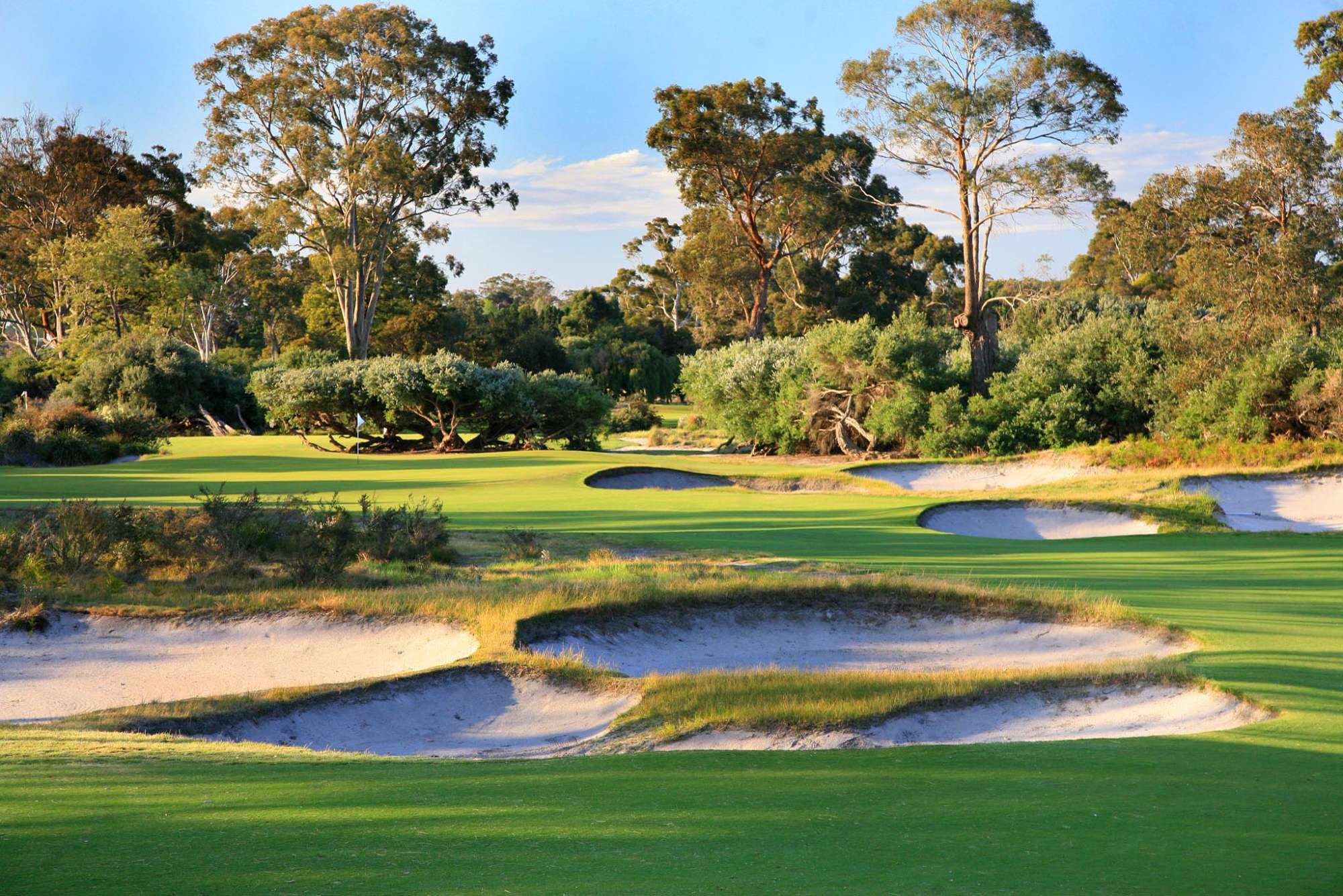
Which Other Alister MacKenzie Courses Help Explain His Style?
MacKenzie’s first major course design, Alwoodley in England, was completed in 1907 and provided an early expression of ideas that would define his work. Its undulating greens and natural-looking hazards reflected his belief that a course should challenge accomplished players while remaining enjoyable and playable for golfers of different abilities. Rather than relying solely on length or difficulty, MacKenzie used the natural terrain to create choices, allowing players to determine how aggressively they wanted to approach each hole.
Those principles remained consistent as MacKenzie’s work expanded to dramatically different landscapes. At Cypress Point in California, which opened in 1928, he adapted his approach to a rugged coastal setting. At Pasatiempo, which opened in 1929, his interest in strategic approaches is particularly evident, with holes that reward players for carefully considering angles and positioning rather than simply pursuing distance.
Augusta National, one of MacKenzie’s most famous later projects, further demonstrates these ideas through his collaboration with Bobby Jones. Although each course presented a different landscape and set of challenges, MacKenzie consistently sought to make the land itself part of the design. His courses offered multiple ways to play a hole and create challenges that can be approached differently depending on a player’s ability.
Can You Play Royal Melbourne and the Sandbelt on One Golf Trip?
For golfers interested in Alister MacKenzie’s influence on the Melbourne Sandbelt, Royal Melbourne’s West Course and Kingston Heath make a great pair. Royal Melbourne showcases MacKenzie’s vision in a course he designed from the ground up, while Kingston Heath demonstrates how his ideas could transform an existing layout. From there, Victoria Golf Club and The Metropolitan offer further insight into his advisory influence, while Royal Melbourne’s East Course provides an opportunity to compare MacKenzie’s work with that of his Australian partner, Alex Russell.
Melbourne makes an ideal base for exploring the Sandbelt, with these courses located within a relatively compact area. For golfers looking to extend their Australian golf experience, the city can also serve as the starting point for a longer itinerary incorporating other renowned golf regions across the country. Access to many of the Sandbelt’s private clubs depends on current arrangements and availability, making advance planning particularly important when trying to experience several of these courses on one trip.
Premier Golf specializes in creating tailored Australian golf itineraries that bring together the courses, accommodations, and experiences that best fit each traveler. Whether the goal is to explore MacKenzie’s architectural legacy in the Sandbelt or build a longer Australian golf adventure, a Premier Golf journey can make it possible to experience the region as part of a seamless trip.
FAQs
No. MacKenzie designed the layout of Royal Melbourne’s West Course, which opened in 1931. Alex Russell supervised its construction with head greenkeeper Mick Morcom, then designed the East Course, which opened in 1932. The club’s Composite Course combines holes from West and East – it’s not a separate MacKenzie design.
Kingston Heath was designed by Dan Soutar and opened in 1925. MacKenzie visited the following year to create a bunkering plan and proposed changing the original 15th from a short, blind par-4 into the par-3 golfers play today. Vern Morcom built and continued to develop the bunkering, so the finished course reflects several people’s work.
MacKenzie assisted the designers of Victoria Golf Club and recommended changes at Metropolitan during his 1926 visit. His role differed at each club, so neither course should be described simply as a MacKenzie design.
The West Course follows the Sandbelt’s rolling ground and gives golfers choices on many holes. A fairway may offer plenty of space, but the position of a tee shot affects the angle into a contoured, well-protected green. Its short 10th hole captures that approach – choosing the right line matters more than simply hitting the longest drive.
MacKenzie’s work includes Alwoodley in England and Cypress Point, Pasatiempo and Augusta National in the US, as well as Royal Melbourne’s West Course in Australia, among many others. Each uses its setting differently while reflecting his interest in strategic choices and enjoyable golf.
Visitor play at Royal Melbourne depends on the club’s current arrangements and tee-time availability. Golfers interested in pairing it with Kingston Heath or other Sandbelt courses should plan well ahead. Premier Golf can help build an Australia golf itinerary around the courses and playing opportunities available for their travel dates.
Share this: