
Scotland vs. Ireland: Which Offers Better Golf? A Complete Comparison
Not many debates in the sporting world are as compelling as golf in Scotland vs. Ireland. Both destinations are home to some of the best golf in the British Isles, offering legendary links courses, breathtaking coastlines, and centuries of golfing heritage. For traveling golfers, choosing between them can feel like a weighty decision.
Scotland is widely regarded as the birthplace of golf, where the game evolved on natural seaside links centuries ago. Ireland, meanwhile, has surged to the forefront of global golf travel thanks to its dramatic dunes, unforgettable coastal scenery, and world-class layouts that consistently rank amongst the best in the world.
So, when planning the ultimate golf trip, which destination delivers the better experience? In this guide, you’ll get to know the key differences between golf in Scotland vs. Ireland, from history and course style to travel logistics and atmosphere. Ready to tee off?
History & Heritage
To compare golf in Scotland vs. Ireland, it’s important to start with history, where tradition and iconic courses have shaped both countries into global golfing powerhouses.
Scotland
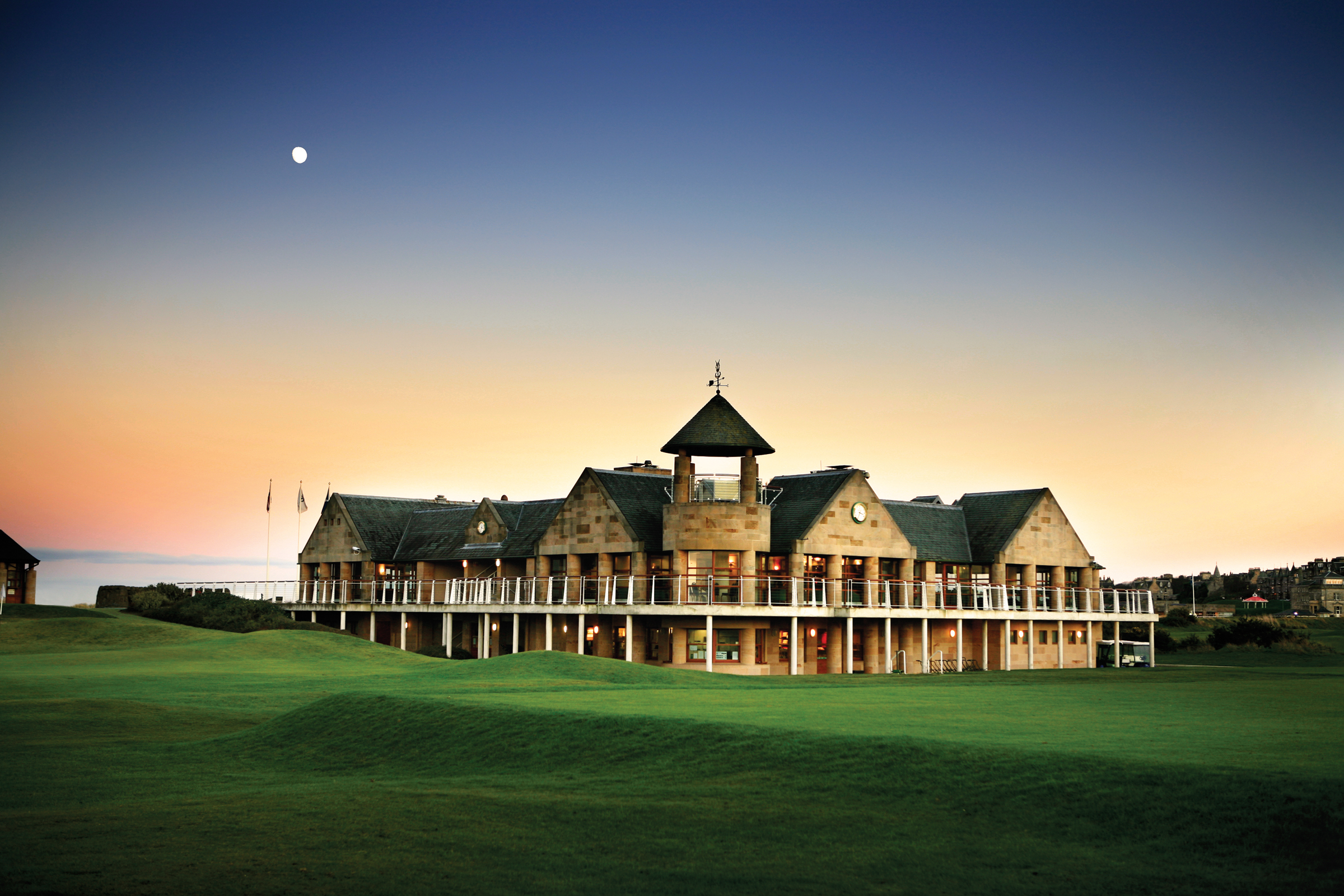
For golf history buffs, Scotland is unmatched. The country is recognized as the birthplace of the game, and nowhere captures that legacy better than St Andrews. The Old Course has hosted golf for more than 600 years, and it’s one of the most popular courses in the world. Venturing across its famous fairways is a pilgrimage for golfers around the globe.
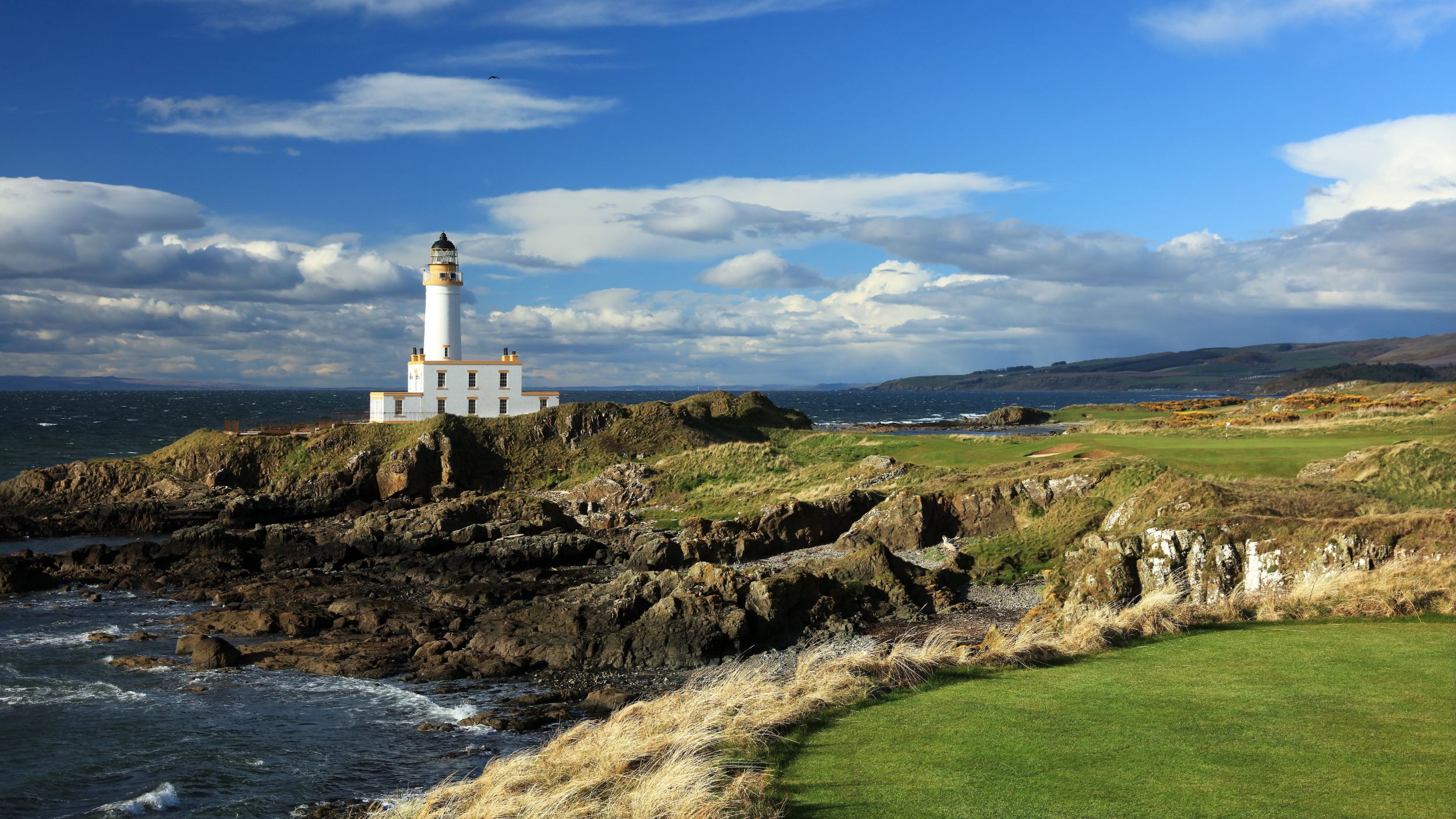
Beyond St Andrews and its other courses Carnoustie, Kingsbarns, and Dumbarnie Links, Scotland’s golf heritage extends across the country. Royal Dornoch in the Highlands is one of the purest natural links courses in the world, while Turnberry’s Ailsa Course on the Ayrshire coast offers both Open Championship history and spectacular coastal views. Historic clubs like Muirfield and Royal Troon also add to Scotland’s reputation as the spiritual home of golf.
For many golfers, playing in Scotland is about connecting with the true origins of the game.
Ireland
While Scotland built golf’s foundation, Ireland has since emerged as one of the greatest golf destinations on the planet.
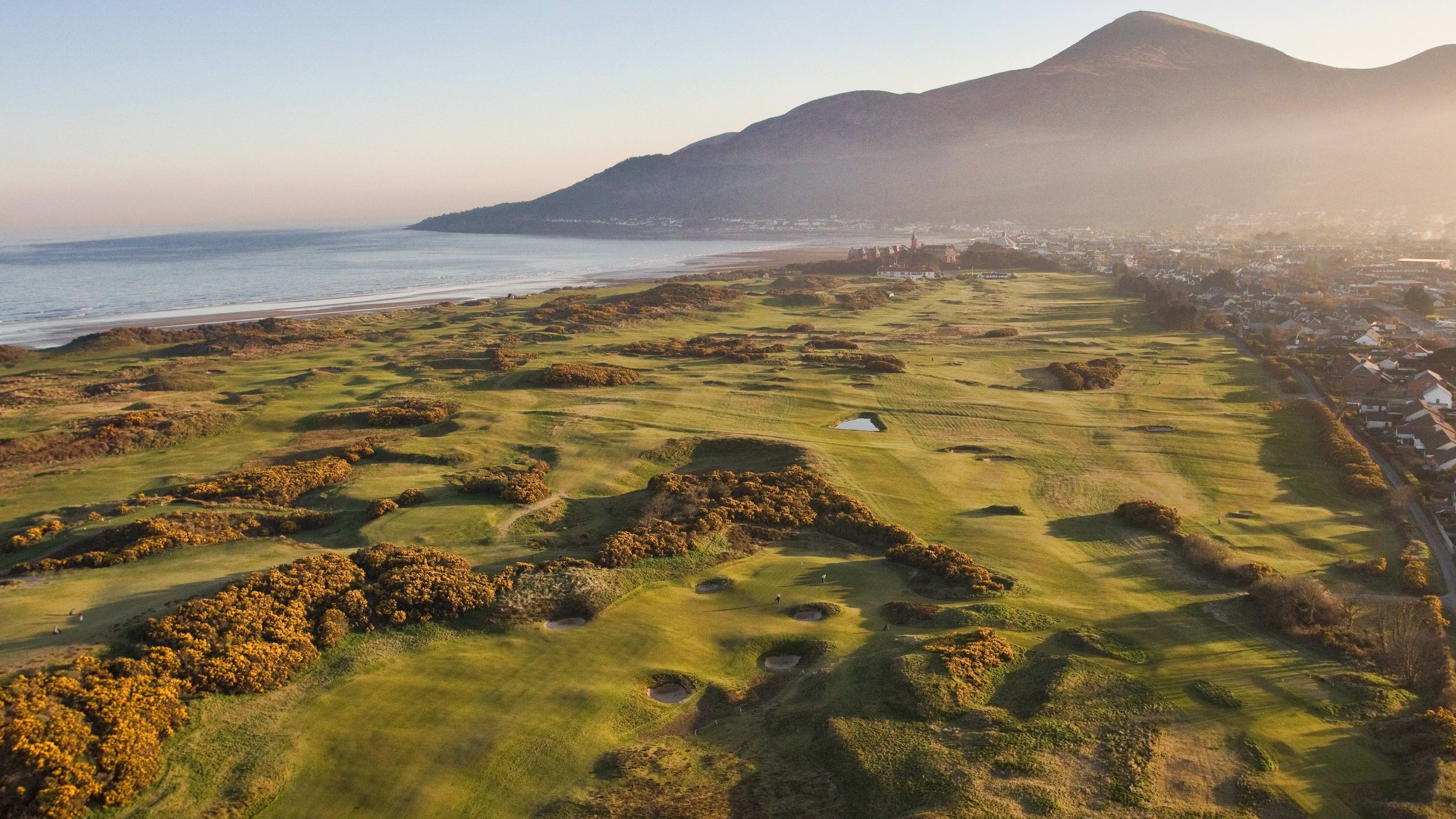
Courses such as Royal County Down in Northern Ireland consistently rank among the top courses in the world. With fairways weaving through towering dunes beneath the Mourne Mountains, players here are treated to both visual drama and exceptional golf.
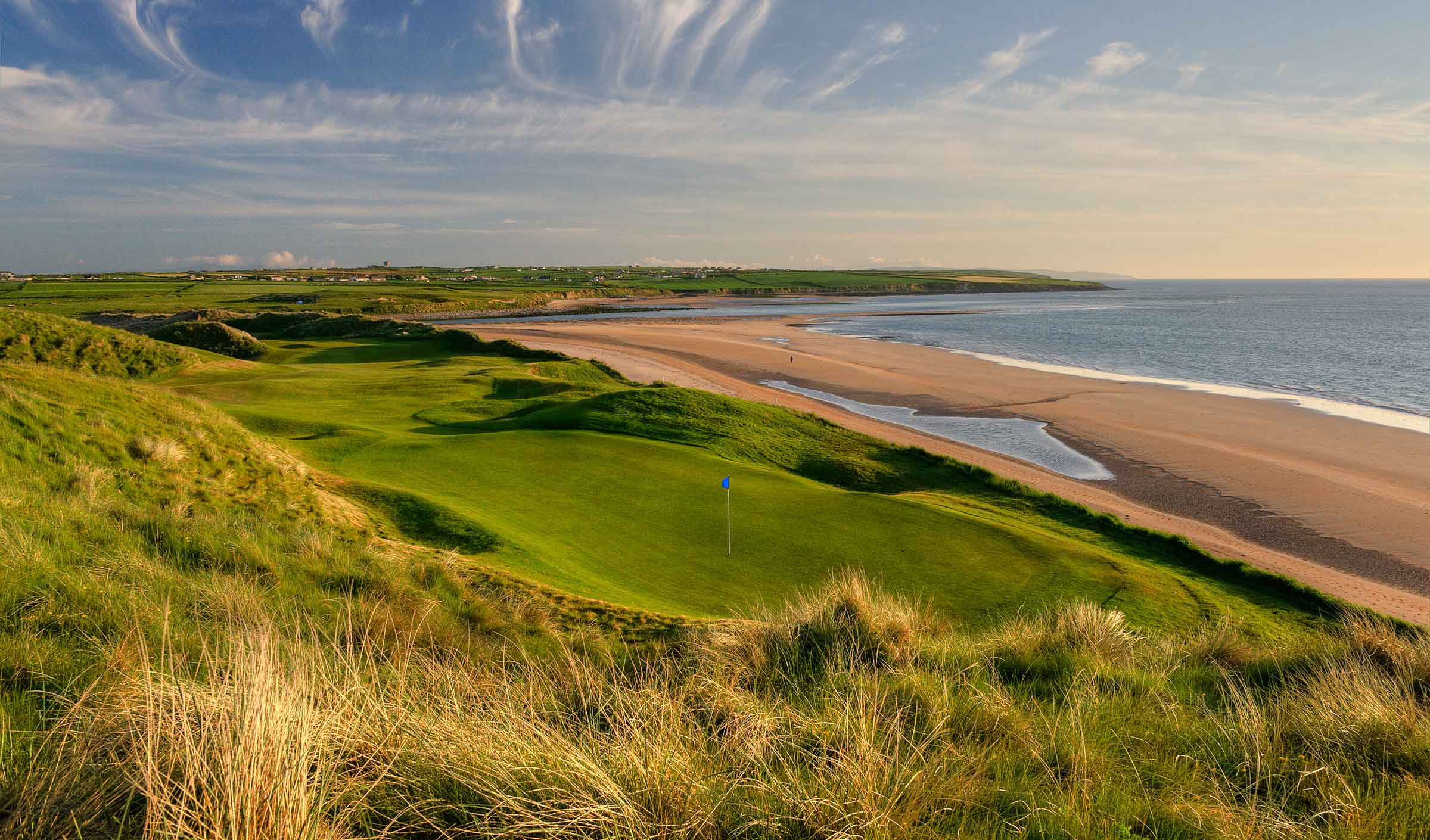
Another Irish icon on the Emerald Isle is Ballybunion, one of the most thrilling dune landscapes in links golf. Additionally, Lahinch, often referred to as the “St Andrews of Ireland”, features unique natural holes and spectacular Atlantic views. Royal Portrush, host of The Open Championship, is another standout links test.
Ireland may not have invented golf, but it has become one of the most exciting places to experience it.
Course Style
Beyond history, the style and character of the courses reveal some of the biggest differences between golf in Scotland and Ireland.
Scotland’s traditional links
Scottish links courses are typically subtle, strategic, and shaped by hundreds of years of natural evolution. Players here can expect firm and fast running fairways, deep pot bunkers that punish poor shots, and natural undulations rather than dramatic dunes. There is a clear emphasis in Scottish links courses on creativity and shot-making.
The Old Course at St Andrews is the perfect example, where wide fairways and massive double greens reward originality and strategic thinking. Think more brain power, less brute power. Golf is often played along the ground, using bump-and-run shots to navigate the unforgiving wind and firm conditions.
Scotland makes for a truly authentic, traditional, and deeply strategic game.
Ireland’s Wild Atlantic Links
Irish links golf tends to be more visually dramatic, so if the scenery makes your game as much as the play, you’ll be in good hands. Many Irish courses feature immense dunes and breathtaking coastal backdrops, particularly along the Wild Atlantic Way. The terrain can feel bigger, more rugged, and thrillingly theatrical.
Many courses in Ireland feature huge dune formations surrounding the holes, stunning cliffside views, and slightly softer turf conditions. The memorable elevation changes and natural amphitheatres really make the experience one of a kind. At Royal County Down and Ballybunion, for example, the dunes create dramatic corridors that frame the holes for a visually unforgettable game.
If Scotland represents the serene poetry of golf, Ireland delivers a cinematic experience.
Top Courses
Both Scotland and Ireland boast remarkable golfing destinations, but the iconic courses in each country truly reflect their unique character.
Scotland’s legendary courses
- St Andrews (Old Course): The most famous course in the world and widely recognized home of golf.
- Royal Dornoch: Pure natural links tucked away in the Scottish Highlands.
- Turnberry (Ailsa Course): Stunning coastal golf with Open Championship pedigree.
These courses highlight Scotland’s historic roots and traditional links design.
Ireland’s iconic courses
- Royal County Down: Consistently ranked among the world’s best courses.
- Ballybunion (Old Course): Thrilling dunes and unforgettable Atlantic views.
- Lahinch: Historic links golf with quirky, memorable holes.
Each of these layouts showcases Ireland’s dramatic terrain and growing global reputation.
Accessibility
When you start planning a golf trip, logistics matter, no matter where you’re traveling from. And while both countries appear alike and are similar in size, logistically, they are quite unique.
Scotland’s compact golf region
One of Scotland’s biggest advantages is its geography. Many of the country’s best courses are clustered closely together.
- St Andrews, Kingsbarns, and Carnoustie are connected by an easy driving distance in Fife. Golfers can reach Kingsbarns from St Andrews in around 20 minutes, and Carnoustie in under an hour.
- East Lothian offers world-class golf near Edinburgh, including Muirfield and North Berwick, less than 15 minutes drive from one another.
- Ayrshire’s famous courses are conveniently grouped along the west coast.
This compact layout allows travelers to play several world-class courses without constantly changing hotels. If Scottish scenery off the course is on your wishlist, taking some time out for a road trip is a great way to experience a rural adventure – plus it gives you a chance to rest your swinging arm.
Ireland’s scenic road trips
Ireland offers a different travel experience to Scotland. The country’s best courses are spread along its rugged coastline, particularly in the southwest and northwest. This means more driving, but also some of the most scenic golf journeys imaginable.
Trips along the Wild Atlantic Way can include stops at Lahinch, Waterville, Ballybunion, and other spectacular courses overlooking the ocean. For example, the drive from Lahinch to Ballybunion is around two hours, with plenty of opportunities for stopping and marvelling at the scenery en route.
In Ireland, the journey between courses becomes as much a part of your trip as the golf.
Cost & Accommodation
When comparing whether you should visit Scotland or Ireland for golf, cost inevitably plays a role.
Scotland
Scotland’s most famous courses can command premium green fees, with tee times at legendary venues like the Old Course or Turnberry coming up relatively expensive, particularly through peak season. However, Scotland also offers incredible value at lesser-known courses that provide exceptional golf at a fraction of the price.
Accommodation ranges from charming inns and historic hotels to luxury resorts such as Gleneagles and Turnberry. It all depends on your budget and how indulgent you’d like your trip to be.
Ireland
Ireland has traditionally offered slightly better overall value for golf travelers, particularly away from its most famous courses. Many outstanding links courses in regions like northwest Ireland deliver fantastic golf without the premium price tag.
The Emerald Isle also offers a wonderful mix of accommodations, including coastal guest houses, boutique hotels, and luxury manors, much akin to Scotland. For those seeking an Ireland golf vacation in 2027, Adare Manor is set to host the Ryder Cup, which could be the perfect opportunity for a visit.
Atmosphere & Culture
Of course, a great golf trip is about more than just the fairways, and both Scotland and Ireland offer distinctive atmospheres that enhance your vacation.
Scotland’s deep traditions
Golf in Scotland feels steeped in tradition from the moment you arrive. Historic clubhouses, time-honored etiquette, and centuries-old golf culture create a sense that you are walking through the history of the game. After your round, the clubhouse or local pub becomes the legendary “19th hole”.
If you’re playing St Andrews, don’t skip out on a post-round tipple at the Jigger Inn beside the Old Course – it’s almost as iconic as the round itself.
Expect great stories, local whisky, and conversations that keep going long after the final putt. Depending on which courses you’re visiting, there is also plenty to do in Scotland. Shop the big cities, explore nature as you’ve never experienced before, or dive into traditional Scottish culture – kilts not mandatory!
Ireland’s legendary hospitality
Ireland brings a different flavor, albeit along the Celtic lines too. The golf is spectacular, but the Irish hospitality may be just as memorable. Post-round gatherings usually involve lively pubs, music performances, and the famous Irish “craic” – a blend of storytelling and warm, humorous camaraderie.
Many golfers visiting Ireland say their trip becomes as much about the people as the courses they play. Off the course, Ireland is home to ancient castles, sporting heritage, and historic sites, all waiting to be explored.
Choosing Scotland vs. Ireland for Your Golf Trip
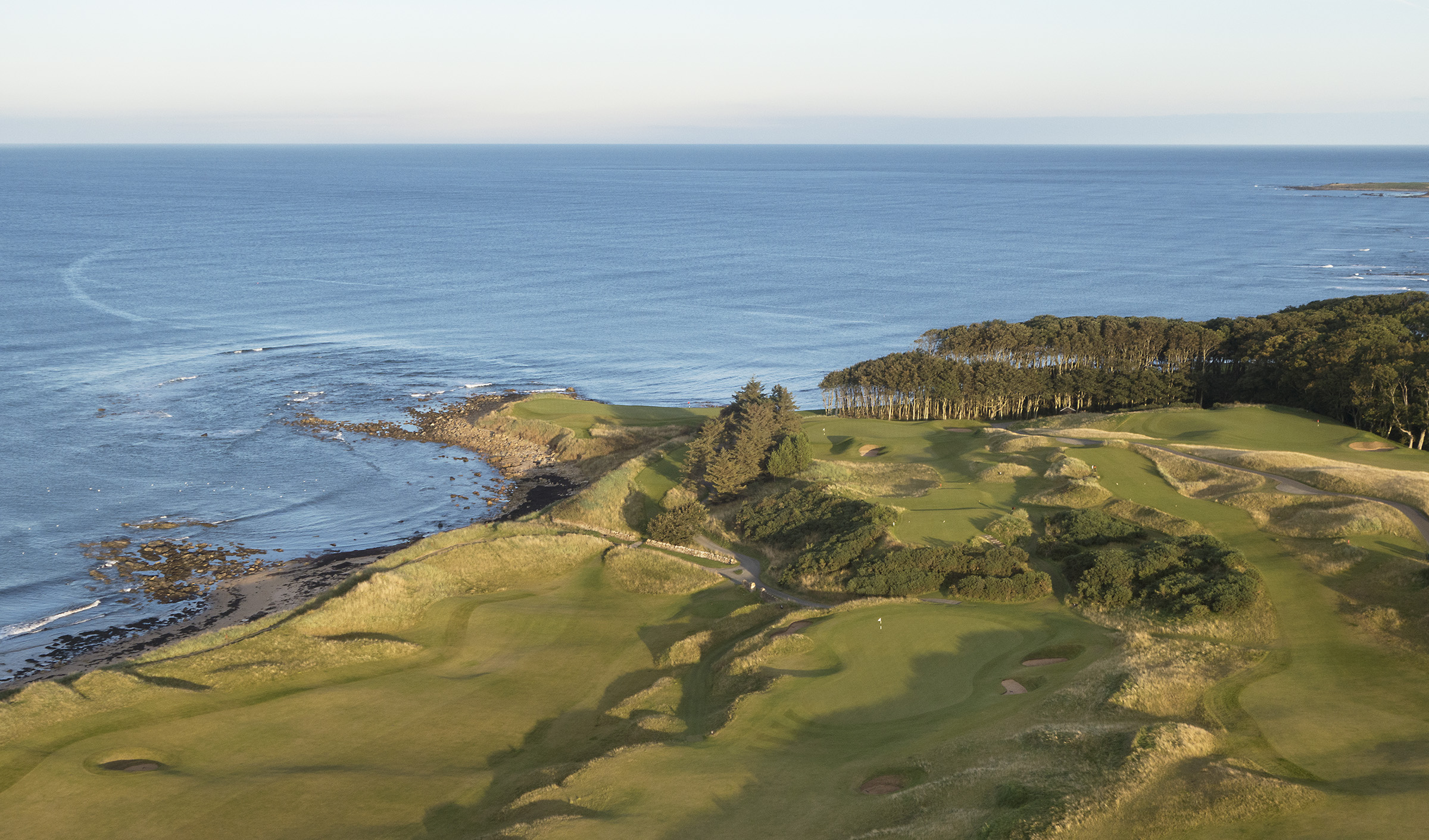
So which destination offers the best golf in the British Isles? Honestly, it depends on what you’re looking to get out of your trip.
Choose Scotland if you want:
- The deepest connection to golf history
- Traditional links architecture
- Convenient and speedy travel between famous courses
Choose Ireland if you want:
- Breathtaking scenery and dramatic dunes
- A lively social atmosphere
- A scenic road-trip style golf adventure
Both destinations deliver memorable and exciting experiences, so FOMO won’t be an issue!
Why Not Experience Both?
For many golfers, the answer isn’t choosing between Scotland or Ireland, it’s experiencing both in one unforgettable golf vacation package. With the two countries just a short journey apart, it’s entirely possible to combine them into a seamless trip.
Picture yourself playing the historic fairways of St Andrews before crossing the Irish Sea to take on the dramatic dunes of Royal County Down or Ballybunion — a journey that blends heritage, scenery, and world-class golf.
At Premier Golf, we specialise in creating bespoke golf vacation packages with guaranteed tee times, luxury accommodation, and expertly planned travel throughout.
There’s no true winner in the Scotland vs. Ireland debate, just two extraordinary destinations. The real victory? Experiencing both!
Start planning your ultimate Scotland and Ireland golf tours today.
Ireland and Scotland FAQs
Both work brilliantly, but they suit different types of golfers. Scotland carries an unrivaled sense of occasion, especially around St Andrews, and is the obvious choice if ticking off the birthplace of golf is high on your list. Ireland tends to feel a little more laid-back, both on and off the course, which many first-timers find makes for a gentler introduction. Whichever you pick, the bigger risk is leaving wishing you’d booked longer.
Late April through to early October is the sweet spot for both countries. You’ll get the best combination of daylight, weather, and fully open facilities. If budget matters, the shoulder months at either end of that window tend to offer quieter courses and better prices, so just bring a warmer layer. For Scotland in particular, it’s worth checking whether any major tournaments are scheduled at your target courses, as venues like St Andrews can have restricted access around event periods.
A week to ten days works well for a single-country trip, giving you room for five to seven rounds without it becoming a slog. If you’re hoping to take in both Scotland and Ireland on the same trip, budget for at least eight nights. Any less and you’ll spend more time travelling than playing, which rather defeats the point.
Ireland used to have a clear price advantage, but that gap has closed considerably as demand for both destinations has grown. Top courses in both countries now command serious green fees. That said, venture away from the most famous names (particularly into northwest Ireland) and you’ll still find outstanding links golf at a much more reasonable cost.
Yes, and it’s one of the best decisions you can make. Golf carts are rarely used at links courses in either country, so you’ll be walking regardless. A good caddie doesn’t just carry your bag. They’ll read the wind, know every hidden slope on the greens, and give you a local perspective that no GPS app comes close to matching. Many golfers say their caddie was the highlight of the whole trip.
You can, and plenty of people do, but it needs proper planning. Crossing between the two countries involves ferries or flights and eats into your time on the ground, so a rushed attempt to cram both into less than a week rarely does either justice. A popular approach is pairing the west coast of Scotland with Northern Ireland, which are close enough to make the logistics straightforward while still giving you access to some of the finest links courses in the world.
Share this: